

While screening using low-dose computed tomography (LDCT) is the most effective tool for detecting lung cancer at an earlier stage, it often only reaches a defined high-risk population, and so should be one part of a broader strategy. For health systems to make meaningful progress on survival, they need strategies that go further: taking screening with symptom awareness, faster referral pathways, incidental detection and innovation, and integrating all these elements into a coherent, system-wide approach.
That kind of coordination does not happen by default. It requires deliberate policy design, aligned to local epidemiology, health system capacity and available resources – all grounded in the evidence of what works.
Our work supports health systems to build that foundation.
What comprehensive earlier detection requires
Moving diagnosis to earlier stages demands action across multiple fronts:
- integrating LDCT screening with complementary detection approaches
- strengthening symptom awareness among the public and primary care
- improving referral pathways and diagnostic system capacity
- reaching high-risk and underserved populations equitably
deploying innovation and data to identify cancer sooner.
Resources

Increasing the earlier detection of lung cancer: a toolbox for change
Download in Arabic Download in English Download in French Download in Portuguese Download in Simplified Chinese Download in Spanish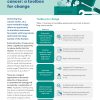
Report summary
Download in EnglishOur report
Despite growing evidence and momentum, progress remains uneven. Many health systems continue to face challenges in implementation, resulting in missed opportunities to detect lung cancer earlier and improve outcomes.
Our earlier detection toolbox supports health system leaders and policymakers to can design and deliver effective, equitable earlier detection strategies across the care continuum. It sets out how health systems can:
- develop integrated strategies that combine screening with other complementary approaches
- assess health system readiness and capacity and align interventions with local needs and resources
- improve access and equity, particularly for high-risk and underserved populations
- leverage innovation and technology to enhance earlier diagnosis and optimise pathways
- engage stakeholders and communities to increase awareness and participation.
The toolbox is designed as a practical resource for those working to strengthen earlier detection at a national or regional level.
DR JESME FOX, MEDICAL DIRECTOR, ROY CASTLE LUNG CANCER FOUNDATION
Report figures
The downloadable key figures from the report can be used in presentations and online to demonstrate the importance of earlier detection in improving care and reducing deaths from lung cancer.