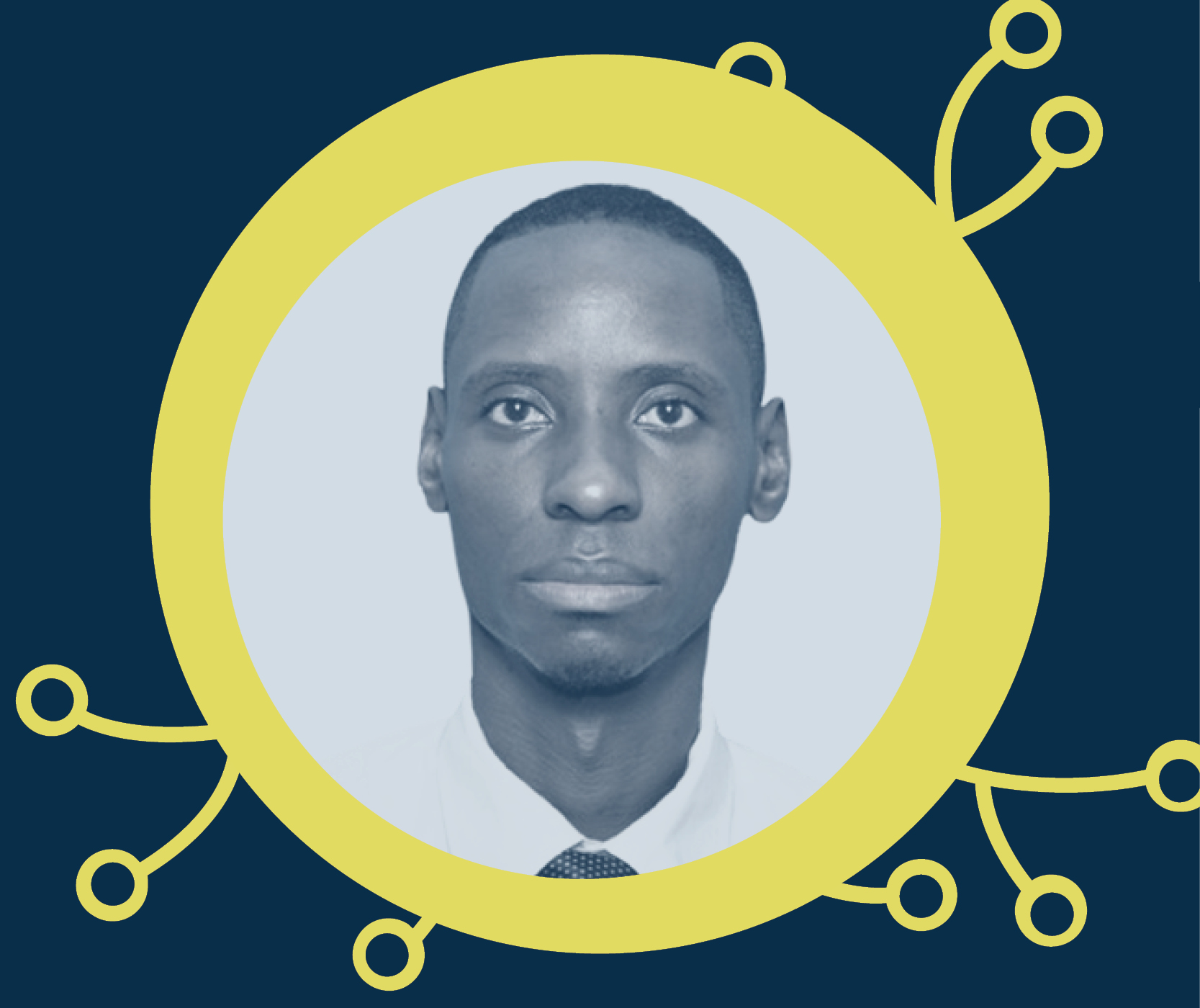

We spoke to Morten Quist, Senior Researcher, Copenhagen University Hospital; and Department of Public Health, University of Copenhagen; Physiotherapist, University Hospitals’ Centre for Health Sciences Research (UCSF), Rigshospitalet
Tell us what led you to work in the field of lung cancer
My interest in lung cancer grew from years of working with exercise and rehabilitation across cancer populations. I realised how little focus there was on patients with lung cancer, despite their great potential to benefit. This led me to develop research programmes on prehabilitation, rehabilitation and functional testing, including EXHALE and IREX-LUNG.
What does an average work day look like for you?
An average day is a mix of research and clinical practice. I spend about three days a week at my computer – writing, analysing data and collaborating with colleagues – and two days training patients in the EXHALE exercise programme. So my work is truly half clinic, half research.
What is working well in your country, and what could be improved for lung cancer treatment?
What works really well in Denmark is the tax-funded health system, which ensures free access to treatment for all patients. However, despite clear legislation and strong evidence supporting rehabilitation, many patients with lung cancer still do not receive it. Greater focus on patient wellbeing and consistent rehabilitation offers is needed.
What motivated you to join the Network?
What truly motivates me is the opportunity to make a real difference for people living with lung cancer. That has always been my main driver. Joining the Network allows me to use my background in exercise oncology and rehabilitation to help influence policy and improve outcomes.
What would you like to see from the Network as it develops?
I’d like to see stronger collaboration between researchers and policymakers to ensure that rehabilitation and exercise become standard parts of lung cancer care.
What changes would you like to see in lung cancer care on a global level?
I’d like to see lung cancer care become more holistic, integrating exercise, rehabilitation and psychological support as standard. Survival is important, but so is how we live until the end. I often ask patients: Would you rather spend your final days lying in bed, or standing on your own two feet for as long as possible?
What do you think is the most exciting recent research finding in the last five years?
What I find most exciting is the emerging recognition that patients can be optimised during neoadjuvant treatment. By focusing on prehabilitation and physical conditioning, we can improve tolerance to surgery and subsequent therapies, helping patients not only survive, but recover with fewer complications and a better chance of living without recurrence.
Outside of work, what do you spend your time doing?
I enjoy being active, and I often exercise together with patients. It reminds me why this work matters. It also makes me appreciate life here and now. Time with my family, good friends, great food and a glass of wine are far more important than any research result.
The Lung Cancer Policy Network brings together a unique mix of experts in lung cancer from around the world, united in their passion to eliminate lung cancer as a cause of death.
We regularly share profiles of our members so that you can find out more about what led them to work in lung cancer and what changes they would like to see in lung cancer prevention and care on a global level.