
Lung cancer care is complex. From first suspicion to diagnosis, treatment, follow-up and end-of-life care, people move through multiple services, settings and specialties – and the system does not always keep pace.
Despite clear evidence that structured approaches improve outcomes, formal pathways to lung cancer remain the exception rather than the rule. Where they do exist, care pathways are associated with enhanced survival, more efficient use of resources and better patient experiences.
Watch our webinar on care pathways for lung cancer, where we explored with an expert panel how care pathways can help build a foundation for optimal care.

What effective care pathways can deliver
Well-designed care pathways for lung cancer:
- ensure multidisciplinary coordination
- reduce delays through clear, timed targets for diagnosis and treatment
- improve consistency of care and reduce variation in access to best-practice management
- create a framework for incorporating innovation and evolving best practice.
Resources
Care pathways for lung cancer: building a foundation for optimal care
Download in English Download in Arabic Download in French Download in Japanese Download in Portuguese Download in Spanish Download in Simplified Chinese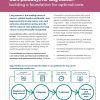
Report summary
Download in EnglishOur report
The report sets out how health systems can design and strengthen care pathways for lung cancer, translating evidence into actionable recommendations for policymakers and system leaders. It addresses:
- why care pathways are important for high-quality lung cancer care
- what steps are needed to establish high-quality care pathways for lung cancer
- how pathways can be built to accommodate innovation and changing best practice.
It is designed as a practical resource for those working to develop, strengthen or evaluate care pathway models in their health system.
PROFESSOR ROBERT THOMAS, UNIVERSITY OF MELBOURNE, AUSTRALIA