In Malaysia, lung cancer is the second most common cancer in men, and the third most common cancer in women. Approximately 95% of all lung cancer cases in the country are detected at advanced stages (III or IV), where treatment options are limited and rates of survival are poorest.
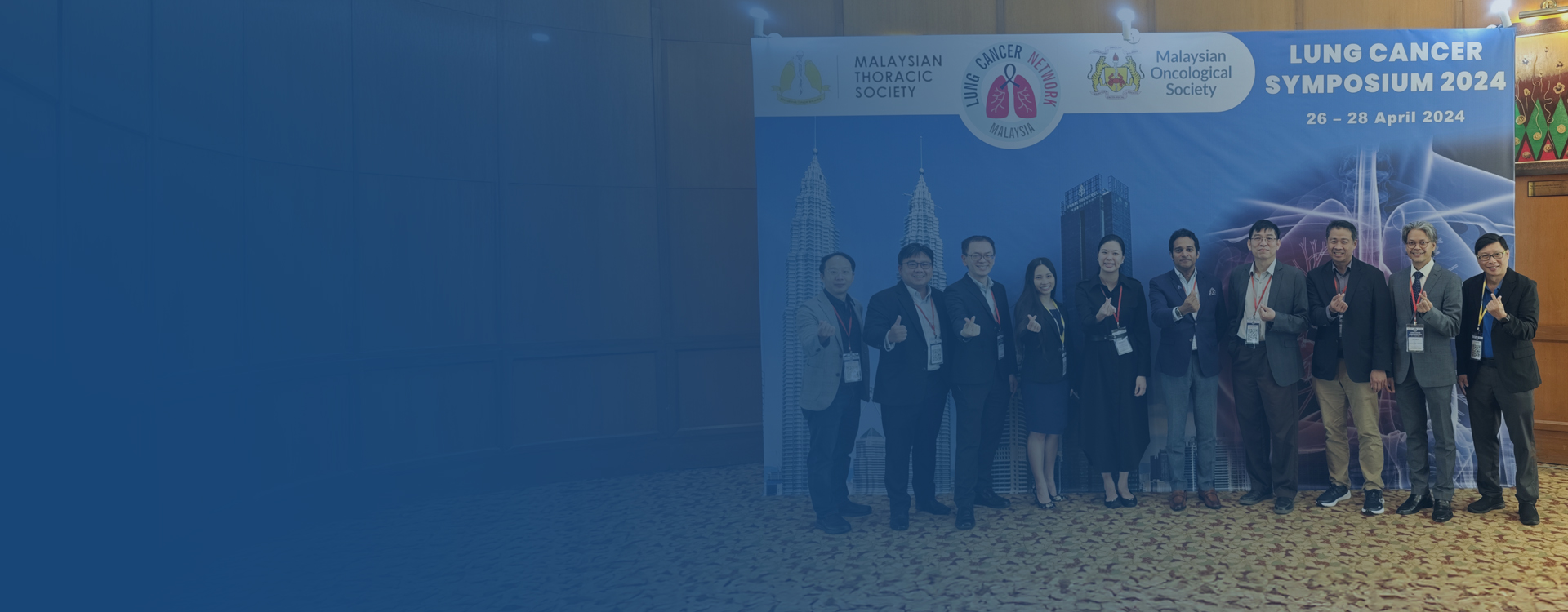
To address the situation, in 2018 cardiothoracic surgeon and Lung Cancer Policy Network member Professor Anand Sachithanandan and clinical oncologist Dr Tho Lye Mun co-founded Lung Cancer Network Malaysia (LCNM) – a Network member organisation.
Developing resources to support improvements in care
LCNM is dedicated to addressing all aspects and stages of lung cancer in Malaysia, including tobacco control strategies, screening of high-risk individuals, diagnosis, staging and treatment.
Most recently, LCNM developed the first clinical practice guidelines for lung cancer in Malaysia; released a new lung cancer patient counselling tool; and hosted a free lung cancer screening day.
These tools form part of a broader suite of freely available resources to help improve outcomes and quality of life for people with lung cancer, using the latest evidence. These include:
- Guides for people with lung cancer, including a patient handbook in three languages and as an audiobook for visually impaired people; and a guide for people with newly diagnosed ALK+ lung cancer and their caregivers that is available for download.
- News articles on key topics, including the impact of second-hand smoking and the cost of lung cancer screening.
- Events and campaigns, including Hope for Survival, Knowing Lung Cancer and New Normal, Same Cancer.
- Videos about different aspects of lung cancer care, including answering the question ‘what is lung cancer?’, and first-person stories by people with lung cancer sharing their experiences.
- Webcasts, including an interview with Associate Research Professor Michelle Turner of the Barcelona Institute for Global Health, who discusses air pollution and lung cancer.
Professor Anand Sachithanandan, LCNM
Expanding impact to a global level
LCNM’s work is complemented by Malaysia’s actions at an international level to advance policy that will improve lung cancer incidence and outcomes. These include:
- The Malaysian Ministry of Health spearheading a landmark resolution, ‘Promoting and prioritising an integrated approach to lung health’, which was approved at the 2025 World Health Assembly. This action solidifies commitments to lung health, including lung cancer, by Malaysia and the World Health Organization, and provides a pathway for Member States to take action and catalyse further funding.
- Malaysia’s tobacco control efforts. Tobacco use is an epidemic in Malaysia, with an adult smoking prevalence of 21% reported in 2022. However, the Ministry of Health is championing a tobacco-free agenda, and a significant number of policies are being enacted, including: Malaysia being a Party to the World Health Organization Framework Convention on Tobacco Control; the designation of smoke-free areas, including in restaurants and on public transport; and the passing of the Control of Smoking Products for Public Health Act 2024, which includes legislation regulating tobacco advertising, sponsorship and packaging. To ensure effective and consistent implementation of these policies, a ‘whole-of-society’ approach and close cross-ministry collaboration are needed.
Given the projected increase in lung cancer incidence and mortality, and the global health workforce crises, the efforts of LCNM and others to make lung cancer a national and global health priority are of increasing importance.
The Lung Cancer Policy Network will continue to work alongside expert stakeholders and organisations like LCNM, and focus on supporting improvements in policy to reduce deaths from lung cancer worldwide.