
Knowing that lung cancer screening using low-dose computed tomography (LDCT) is effective is not the same as knowing how to deliver a screening programme that works. Designing eligibility criteria, reaching high-risk populations, integrating screening into existing care pathways, sustaining political and financial support – these are the challenges that determine whether evidence translates into impact.
Progress has been uneven between different countries and regions, but experience is accumulating. Health systems that have designed and implemented screening programmes have confronted these challenges and found ways through them. That experience is one of the most practical resources available to those planning programmes of their own.
Resources
Lung cancer screening: learning from implementation
Download in Arabic Download in English Download in French Download in Simplified Chinese Download in Spanish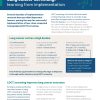
Report summary
Download in EnglishWhat implementation evidence can offer
Learning from real-world screening programmes helps health systems:
- understand how effective programmes are designed and delivered in practice
- identify common implementation barriers and strategies for overcoming them
- adapt approaches to local contexts, resources and health system structures
- build a stronger foundation for planning, policy development and advocacy.
Our report
Our inaugural report brings together evidence and experience from countries at different stages of screening implementation, drawing out practical lessons. It addresses:
- how eligibility criteria are tailored to local contexts and risk profiles
- the role of targeted outreach in reaching high-risk populations
- how screening can be integrated with other public health initiatives
- how to embed screening within care pathways and health system governance.
The report is designed for health system leaders, policymakers and advocates working to establish, expand or strengthen lung cancer screening programmes.
ANDREA BORONDY KITTS, NETWORK MEMBER, RESCUE LUNG, RESCUE LIFE AND PROSUMER HEALTH